Operation Wildfire in CS:GO: Comeback of iconic map
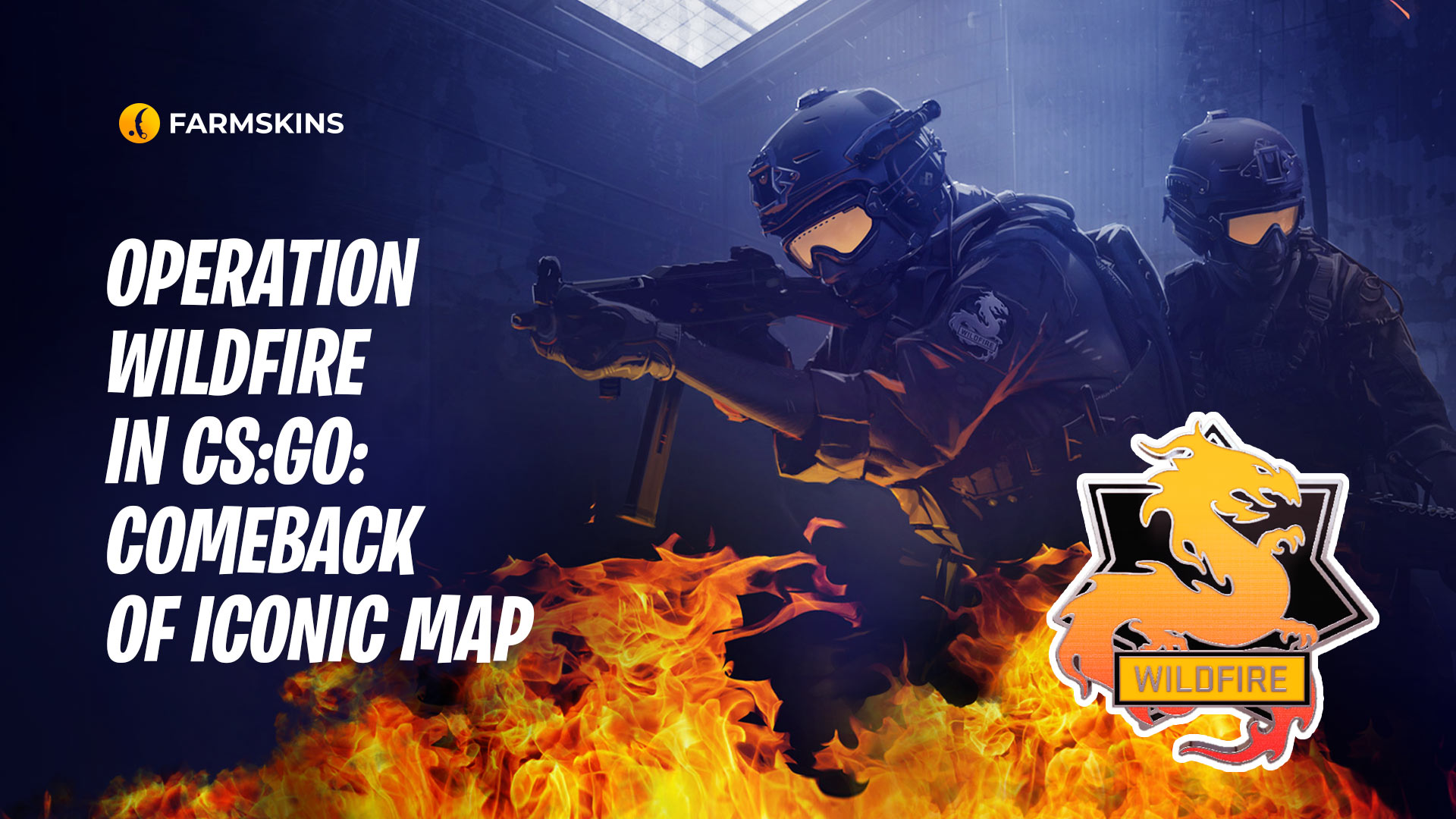
The Wildfire Operation in CS:GO, launched in March 2016, was considered a historical chapter since the return of Nuke and the onset of Wildfire Campaign. It stood out as a pivotal operation that engaged players through its narrative-driven missions and unique rewards, leaving a lasting impact on the game.
Operation Bloodhound in CS:GO: Missions, Maps, and Impact
"1. Operation Wildfire in CS:GO: Comeback of iconic map","1.1. Maps introduced in Operation Wildfire","1.2. Campaign and Missions","1.3. Economic Impact","1.4. Legacy"
Maps introduced in Operation Wildfire
-
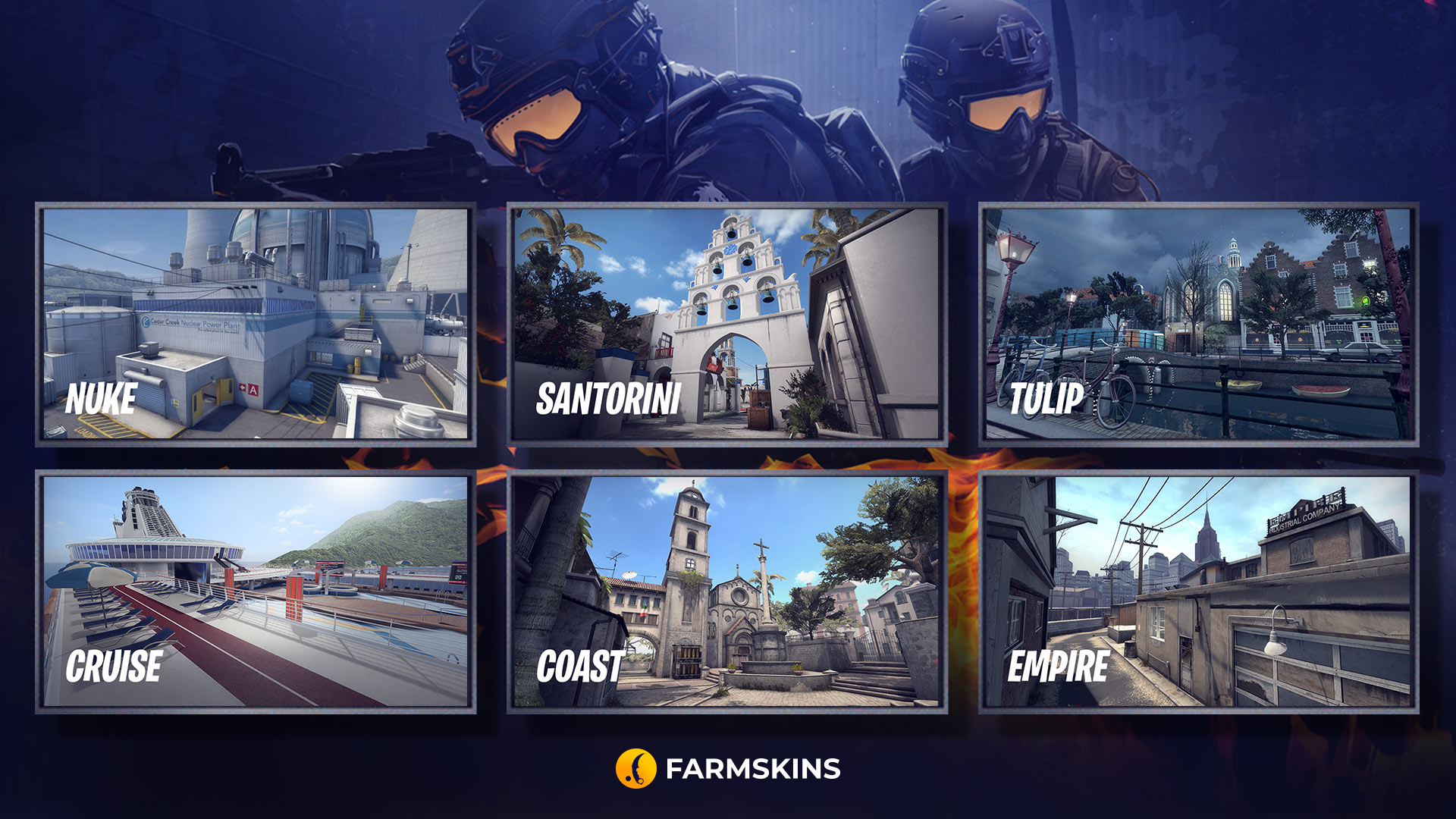
Nuke (Reworked). The iconic map Nuke returned with a complete overhaul in CS:GO Operation Wildfire. The rework improved the map’s balance, sightlines, and overall playability. With new pathways, restructured bomb sites, and updated visuals, Nuke became a staple of competitive play, offering tactical depth and strategic possibilities.
-
Santorini. Set in the scenic streets of a Greek island, Santorini provided a mix of narrow alleyways and open spaces. The map’s design encouraged both close-quarters combat and long-range duels, with its unique layout allowing for creative use of utility and positioning.
-
Tulip. Located in a charming Dutch town, Tulip was a tightly packed map that favored fast-paced skirmishes. Its narrow streets, tight corners, and multiple choke points kept players on their toes, making it a favorite for those who enjoy quick, tactical engagements.
-
Cruise. Cruise brought players aboard a luxury cruise ship, offering a dynamic and visually distinctive setting. The map featured vertical combat and open spaces, promoting varied playstyles and requiring teams to master both long-range engagements and close-combat scenarios.
-
Coast. Set along a picturesque coastline, Coast provided a balanced mix of open areas and confined spaces, making it a versatile map for different weapons and strategies. The varied environments kept gameplay fresh, as players had to adapt to both long-range and short-range encounters.
-
Empire. Empire, set in an urban landscape, was focused on tight, fast-paced combat, with narrow lanes and confined areas. Its layout encouraged aggressive tactics, quick rotations, and surprise engagements, making it ideal for players who thrive on intense firefights.
-
Mikla. Taking place in a Turkish cityscape, Mikla was a visually stunning map that combined open plazas with tight corridors, offering plenty of opportunities for both strategic planning and reactive play. Its diverse layout allowed teams to experiment with different tactics while navigating the vibrant, busy streets.
-
Royal. Royal was set in a regal, historical estate, blending classic architecture with intense firefights. The map featured a mix of indoor and outdoor spaces, requiring players to use utility effectively while maneuvering through open courtyards and tight, confined rooms.
Campaign and Missions
Operation Wildfire offered two immersive campaigns: the Gemini Campaign and the Wildfire Campaign, both of which unfolded through a series of narrative-driven missions. These campaigns placed players in the heart of an ongoing conflict against the Phoenix faction, introducing rich character storylines and high-stakes objectives.
The Gemini Campaign followed Kotaro Izaki and Carmen Concinero, two hostage extraction specialists from a special division of the Coalition Taskforce, who recruit players to join them in stopping the Phoenix and thwarting Valeria’s plans. Players embarked on missions designed to sabotage Phoenix operations and disrupt their leader, Valeria. Early missions featured tense moments such as Valeria and her bodyguard, Naomi, discussing potential uprisings within the Phoenix ranks, setting the stage for action-packed objectives like attacking a cement plant (featured on de_coop_cementplant).
Meanwhile, the Wildfire Campaign centered around Felix Riley, the highest-ranking officer in the Coalition Taskforce. Riley called upon players to assist in making strategic moves against the Phoenix, deepening the fight against the criminal faction as the storyline progressed. The campaigns helped reveal key backstories behind weapon flavor texts and introduced players to characters previously hinted at in the game’s lore.
One of the standout features of the campaign was the introduction of Strike Missions. These co-op missions required players to work together to complete objectives, such as disarming bombs or neutralizing enemy strongholds, all while advancing the narrative. The storyline placed players at the heart of intense operations, forcing them to adapt to the evolving plot as they battled through increasingly difficult scenarios.
CS2 Bomb: How to Plant and Defuse
Economic Impact
Some of the standout skins from the Wildfire Case included the M4A4 | The Battlestar, AK-47 | Fuel Injector, and the AWP | Elite Build. At the time of the operation, these skins were valued at around $10 to $40 depending on condition and rarity. For example, the AK-47 | Fuel Injector, known for its vibrant yellow design, initially sold for around $20-$30 in Factory New condition. Today, its price has skyrocketed, with Factory New versions trading for over $300.
The Wildfire Case itself, which was initially priced at around $0.50 to $1, has seen its value increase significantly over time due to its rarity. Today, the case sells for around $5 to $10 on the marketplace, reflecting the long-term demand for its exclusive contents.
Legacy
Operation Wildfire left a lasting legacy in CS:GO by pushing the boundaries of what CS:GO operations could offer. Its introduction of narrative-driven missions and co-op Strike Missions set a new standard for player engagement, showing that operations could be more than just cosmetic-driven updates. The successful rework of Nuke also demonstrated Valve’s commitment to refreshing classic maps, reinvigorating one of the most iconic maps in the game’s history.