The Shanghai Sticker Disaster

The Shanghai Sticker Disaster
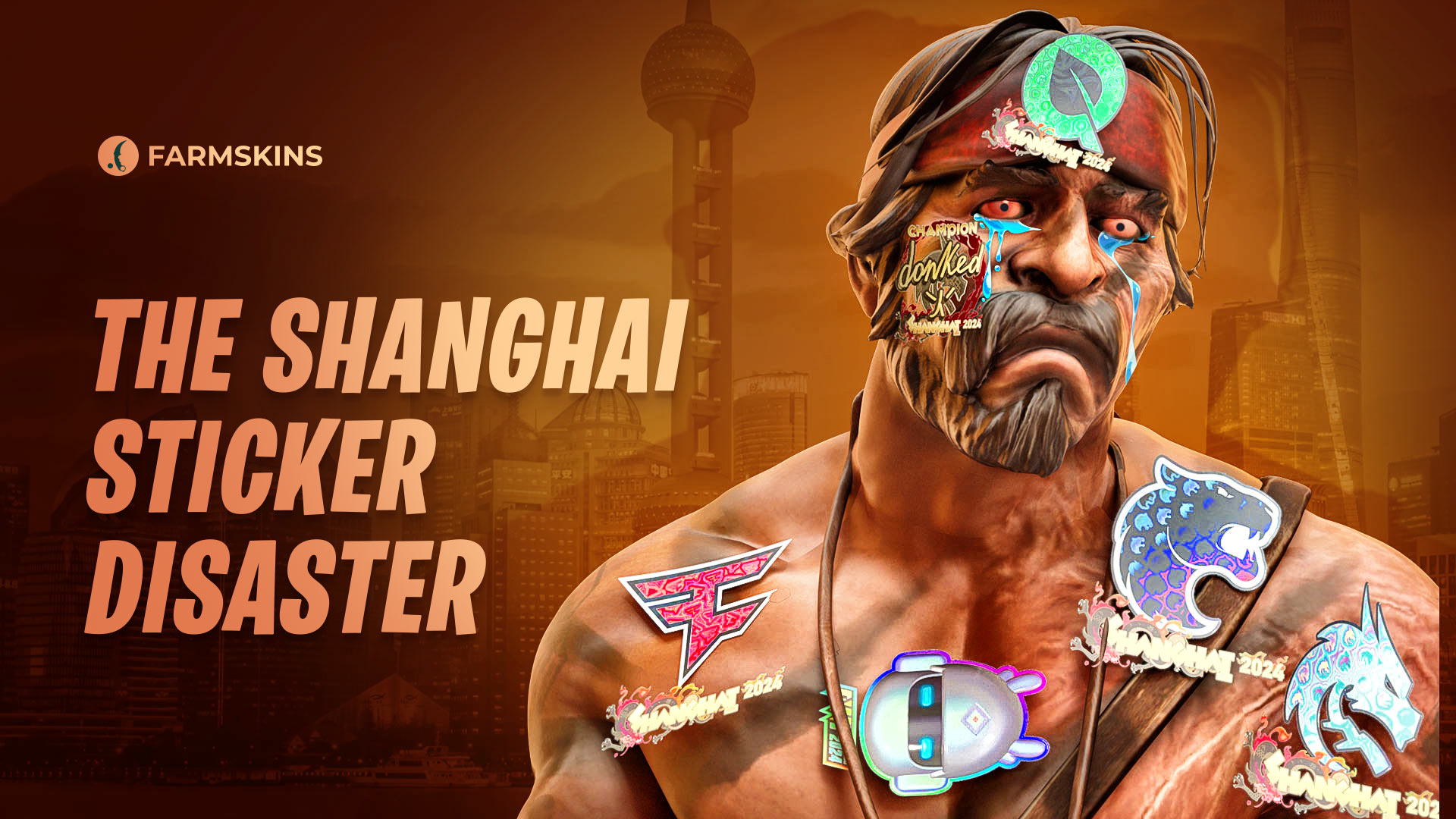
The Shanghai Major sticker release has been a disaster, with record-low sales and almost no community excitement. This isn’t just bad for collectors—it’s a serious problem for CS2 esports, as sticker sales help fund teams. With repetitive designs and declining investor confidence, the market is in freefall. In this article, we’ll break down why Shanghai stickers failed, how it affects the scene, and what Valve can do to fix it before it’s too late.
The Shanghai Sticker Release: A Letdown, Declining Interest in Major Stickers, Why This Matters: Impact on CS2 Esports, The Solution: Community-Driven Sticker Designs
The Shanghai Sticker Release: A Letdown
The Shanghai Major stickers dropped on November 28, 2024, and the reaction was overwhelmingly negative. Instead of bringing something fresh, Valve stuck to the same old formula—unchanged designs, uninspired souvenirs, and minimal effort.
-
The holo effect was slightly tweaked, but that’s hardly enough to generate hype.
-
The souvenir system remained the same, offering no real incentive to open packages.
-
The sticker designs were identical to previous Majors, making them feel stale and repetitive.
Best Shanghai Major Sticker Combos in CS2
Declining Interest in Major Stickers
The Shanghai Major sticker sales have been shockingly low, signaling a major shift in player and investor interest. In past Majors, sticker sales surged once discounts kicked in, but this time, the demand has fallen off a cliff.
One way to gauge interest is by looking at how many capsules are listed on the Steam Market. Here’s how Shanghai stacks up against past Majors:
-
Stockholm Legends: 4,000 listed
-
Antwerp Legends: 15,500 listed
-
Rio Legends: 12,700 listed
-
Paris Legends: 300,000 listed
-
Copenhagen Legends: 31,000 listed
-
Shanghai Legends: Only 680 listed
This is an alarming sign. While the number will grow over time, the initial supply is far lower than expected, meaning people just aren’t buying these capsules like they used to. Why It’s Happening:
-
Market Saturation: Players already own nearly identical stickers from past Majors.
-
Investor Burnout: Many buyers lost money on Paris 2023 stickers, making them hesitant to invest again.
-
Lack of Excitement: With no fresh designs, collectors don’t feel compelled to buy.
Why This Matters: Impact on CS2 Esports
The decline in sticker Shanghai sales isn’t just an inconvenience for collectors and investors—it’s a direct threat to CS2 esports. Major stickers have long been a crucial revenue source for teams, providing financial stability that helps them compete at the highest level. At the Paris Major 2023, sticker sales generated over $110 million, ensuring teams received a significant cut to fund their operations. With the Shanghai stickers performing so poorly, that financial safety net is shrinking fast.
While top-tier organizations like FaZe, G2, or Vitality have sponsorships and other revenue streams to stay afloat, smaller teams don’t have the same luxury. Many rely almost entirely on sticker money to sustain themselves. If sales continue to decline, these lesser-known teams could struggle to survive, leading to fewer competitive organizations and a less dynamic esports scene.
The bigger issue is that the entire CS2 esports funding model hinges on sticker sales, and Valve’s failure to innovate is actively killing demand. If people stop buying stickers, teams lose money, and the ecosystem suffers. Without fresh designs and renewed interest, the downward spiral could continue, making it harder for teams to compete and for the scene to remain as vibrant as it once was.
How Stickers Define Success in CS2 Majors
The Solution: Community-Driven Sticker Designs
Fixing the CS2 sticker problem doesn’t require a massive overhaul—Valve already has the perfect solution right in front of them. Instead of relying on the same repetitive designs, they should outsource Major sticker creation to the community.
CS2 has a small development team, and with the game still needing major updates and fixes, sticker innovation isn’t likely to be a top priority. But Valve doesn’t need to design the stickers themselves. The community is full of incredibly talented artists who already create custom sticker concepts for fun. Some of the most unique and well-received skins in CS2 have come from workshop submissions, so why not apply the same approach to Major stickers?
By allowing community artists to submit designs for upcoming Majors, Valve could bring fresh creativity and variety to the stickers. Each Major would have a unique look, keeping collectors and investors engaged while ensuring teams continue to benefit from sticker sales. More importantly, it would break the cycle of declining interest caused by the current copy-paste approach.
This change wouldn’t just improve the stickers—it would revive the market, reignite excitement, and provide a long-term fix for CS2’s esports funding model. A few Majors with great sticker designs could restore faith in the system, drawing buyers back in and creating a more sustainable future for both Valve and the teams that rely on sticker sales to survive.


