How CS2 Genesis Terminal Works: Complete Guide

How CS2 Genesis Terminal Works: Complete Guide
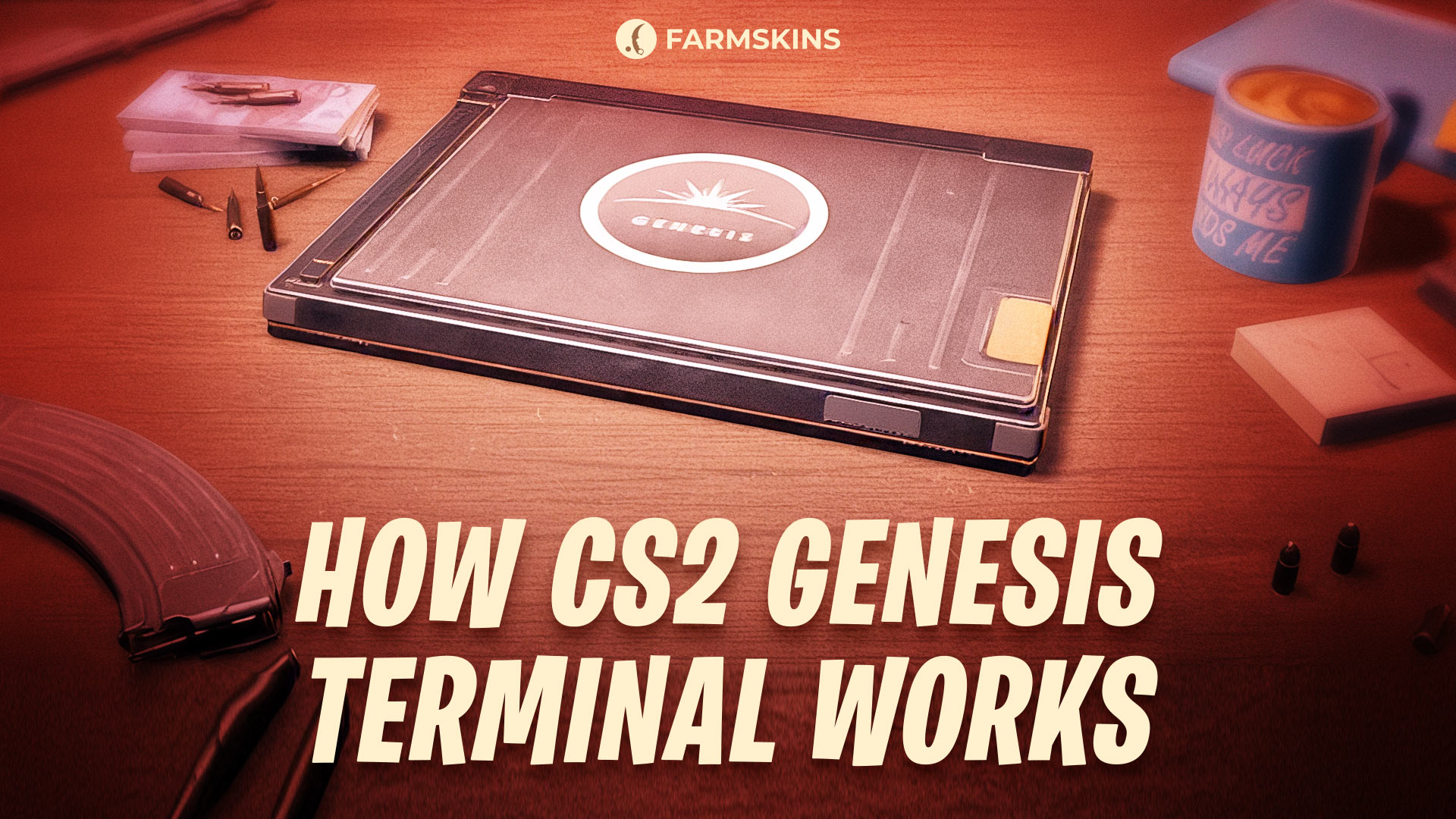
The CS2 Genesis Terminal has quickly become one of the most discussed features in Counter-Strike 2. This new skin system is shaking up how players interact with cosmetic content and how the CS2 economy works. Some players see it as a fresh, strategic alternative to standard CS2 case openings, while others criticize it as a disguised monetization tool designed to push higher CS2 skin prices.
Unlike traditional cases, where everything depends entirely on RNG, the Genesis Terminal mechanic introduces an element of choice, a time limit, and a completely new way to acquire skins — potentially changing the future of CS2 skin trading forever.
What Is the Genesis Terminal in CS2?, How the CS2 Genesis Terminal Works, Genesis Terminal Prices and Community Reactions, How Genesis Terminal Impacts the CS2 Economy, Final Thoughts: The Future of CS2 Skin Market
What Is the Genesis Terminal in CS2?
The Genesis Terminal appears as part of the CS2 Weekly Drop system, alongside graffiti and regular cases. Players receive a Sealed Terminal, which can either be:
Sold on the Steam Community Market
Activated to try and obtain a unique CS2 skin
If activated, the Genesis Terminal system begins a 72-hour countdown during which the player must make decisions about offered deals.
How the CS2 Genesis Terminal Works
Once activated, players have three days (72 hours) to act. During this period, a special CS2 Trader NPC will present up to five different skin offers.
Each offer is a specific skin at a fixed price purchasable with your Steam Wallet.
You can accept and buy the item immediately or reject the offer and wait for the next one.
After five rejections, the Genesis Terminal disappears.
Key rules of the Genesis Terminal:
All skins are selected randomly — you cannot choose a specific item.
CS2 knives and CS2 gloves are not available in the Terminal — there are no “gold-tier” drops.
Purchased items have a standard 7-day trade lock.
Essentially, the Genesis Terminal in CS2 is a gamble with more control than case openings, but still limited by time and randomness.
Genesis Terminal Prices and Community Reactions
The biggest controversy surrounding the CS2 Genesis Terminal is pricing. Many players have noticed that the cost of skins offered is often significantly higher than on the Steam Market, sparking heated debates.
Some examples of Genesis Terminal offers include:
StatTrak M4A4 Full Throttle (Minimal Wear, 0.084) — $526
StatTrak M4A4 Full Throttle (Factory New, 0.003) — $1587
M4A4 Full Throttle (Minimal Wear, 0.13) — $67.91
AK-47 The Oligarch (Factory New, 0.009) — $370
MP7 Smoking Kills (Field-Tested, 0.28) — $9.75
AWP Ice Coaled (Field-Tested, 0.18) — $12.24
In many cases, the difference between Genesis Terminal prices and the Steam Community Market can be several times higher. This has led players to speculate that Valve is experimenting with a new system — one where players pay not for pure chance, but for a “controlled opportunity” to obtain high-value skins.
How Genesis Terminal Impacts the CS2 Economy
The Genesis Terminal system could mark a major shift in the Counter-Strike 2 economy. Valve is testing a new form of monetization and player interaction with skins — one that could eventually replace the standard case opening model.
If successful, the Genesis Terminal might redefine how CS2 skin rarity, market prices, and trading strategies work. While some players welcome this system as a way to reduce RNG and make skin purchases more predictable, others view it as an overpriced, exploitative monetization method.
The Cheapest CS2 Cases 2025: Best Low-Cost Options for Players
Final Thoughts: The Future of CS2 Skin Market
The Genesis Terminal in CS2 is more than just another feature — it’s a sign of how Counter-Strike 2’s skin economy may evolve in the future. By replacing case keys and random drops with timed offers, it gives players a sense of choice, but also raises serious questions about pricing and fairness.
Opinions remain divided. Some appreciate the convenience and predictability of the Genesis Terminal, while others see it as a controversial system designed to increase spending. One thing is certain: this is not a one-time experiment — it’s potentially the foundation of CS2’s future monetization model and the next major evolution in how players acquire and trade skins.


