What’s wrong with Inferno?

What’s wrong with Inferno: Design Flaws, Utility Changes, and Player Frustration
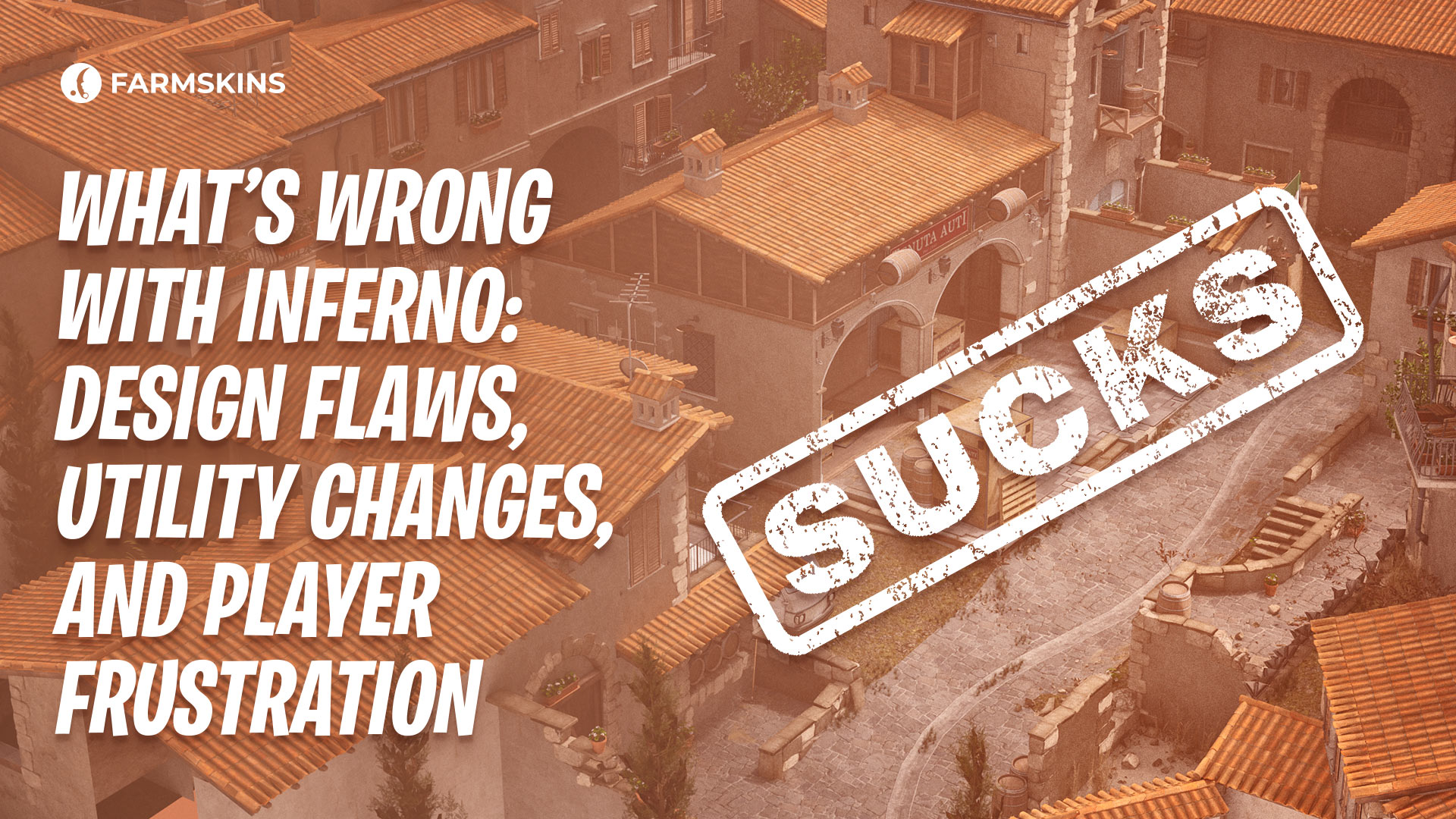
Inferno in CS2 has long been a staple map in Counter-Strike, known for its tight corridors, essential team coordination, and mastery of utility. However, in CS2, many players feel it’s lost its charm. From crowded spaces to changes in utility mechanics, Inferno now offers a more frustrating experience. This article dives into what went wrong with Inferno’s redesign in CS2 and why players are left longing for its former appeal.
The Legacy of Inferno in Counter-Strike, Map Design Changes in CS2, Impact of Utility Changes on Gameplay, Clutter and Inconsistency, Gameplay Implications of MR12 and Retakes, Changes in Map Meta and Professional Play
The Legacy of Inferno in Counter-Strike
Inferno has historically been a cornerstone in Counter-Strike, teaching players the essentials of teamwork, utility usage, and strategic positioning. Unlike open maps like Dust 2, Inferno’s tight lanes and narrow chokepoints emphasize coordination over raw aim, making it a go-to for mastering team play fundamentals. Many players fondly recall Inferno as the map where they first learned the importance of communication, utility control, and trade kills—a legacy that set it apart as a training ground for competitive play.
Exploring the Legacy of Inferno in CS2: The Timeless Battleground
Map Design Changes in CS2
In CS2, Inferno’s map design changes have made gameplay more restrictive. The taller buildings and narrower paths intensify the CS2 map existing tightness, creating a sense of claustrophobia, especially in areas like Banana and Top Mid.
These structural adjustments leave players with fewer options for movement and positioning, limiting strategies and increasing reliance on utility. Additionally, the removal of certain open spaces and skyboxes complicates utility throws, requiring players to learn new, more complex lineups. Together, these design tweaks make Inferno feel less fluid and far more challenging, impacting its overall enjoyment and playability.
Impact of Utility Changes on Gameplay
The utility changes in CS2 have a significant impact on Inferno’s gameplay. Larger molotovs and smokes occupy more space, effectively shrinking the playable areas on an already tight map. This makes areas like Banana harder to control, as well-placed smokes and molotovs can block off critical paths more easily. Additionally, delays in extinguishing molotovs disrupt timing, forcing players to take more damage or wait longer to push through. These changes slow down gameplay, especially for T-side players, limiting their tactical options and creating a more passive, cautious approach to navigating Inferno.
Clutter and Inconsistency
Inferno map CS2 is plagued by clutter and inconsistency, adding to player frustration. Objects like trash bags, flower pots, and bins are scattered around the map, creating visual noise that can distract players and obscure visibility.
More problematic is the inconsistent clipping on these objects—some can be bumped into, while others are merely decorative. This inconsistency disrupts movement and feels unpolished, detracting from the gameplay experience. The clutter and unpredictable interactions with map objects make Inferno feel less streamlined and, for many, less enjoyable to play.
Gameplay Implications of MR12 and Retakes
The shift to MR12 in CS2 increases the pressure on every round, especially on a challenging map like CS2 Inferno. With fewer rounds per half, CTs face tougher decisions on retakes, as each round becomes more valuable.
Inferno’s tight spaces and complex layouts make retakes inherently difficult, pushing CTs into unfavorable situations if they lose early control of a bombsite. This change forces more aggressive rotations and gamble stacks to avoid late-round saves, as CTs must prioritize positioning for successful site defenses. The combination of MR12 and Inferno’s demanding layout makes retakes riskier and less forgiving.
Changes in Map Meta and Professional Play
In CS2, Inferno’s meta has shifted significantly, influencing professional strategies and player behavior. Larger utility sizes and tighter spaces mean that pro teams now rely on early, pre-thrown smokes and molotovs to control key areas like Banana and Mid.
These utility-heavy tactics slow down gameplay, forcing T-side players to wait out CT utility or adopt passive strategies, reducing the back-and-forth skirmishes typical of Inferno in CSGO. Additionally, teams are employing aggressive rotations and site stacks on the CT side to mitigate the risks of retakes under the MR12 format. These adjustments make Inferno less accessible for casual players and emphasize coordination at the highest levels.
Going Pro in CS2: Training and Team Dynamics
Inferno CS2 has become a more restrictive and less intuitive map due to design tweaks, utility changes, and the MR12 format. The cramped spaces, complex utility requirements, and tough retake scenarios make it challenging, especially for casual players. While it still holds potential for strategic depth, many feel it lacks the fluidity and enjoyment of its CSGO predecessor. As players adapt, Valve may need to consider further adjustments to restore Inferno’s classic appeal and accessibility.


